Does Dunkin Donuts Have Gluten Free Donuts
We often get asked whether the chain founded by William Rosenberg in 1950 offers a dedicated gluten-free bakery lineup. The brand grew from a single shop in Quincy, Massachusetts into a national coffee and snack presence.
Today, many customers enjoy a wide coffee selection, but finding donuts gluten-free on the regular menu is still a challenge. Cross-contact risks and centralized baking practices mean that classic donuts are not presented as safe for those avoiding gluten.
This short guide gives clear, practical information and gluten-free menu pointers so we can plan our next visit with confidence. We outline which items and options are safer, which to avoid, and how to ask staff for up-to-date information.
Understanding the Current Menu Landscape
With over 11,300 locations worldwide, the chain’s menu can be hard to parse for those managing celiac disease. We must treat ingredient lists and prep practices as the first line of defense.
Most menu items center on wheat-based pastries and baked goods. We analyzed the gluten free menu and ingredient notes to separate safer products from high-risk options.
It is important to know the brand does not guarantee that any products are free of cross-contact. That means even labeled items may carry trace gluten from shared equipment.
| Item Category | Risk Level | Notes |
|---|---|---|
| Pre-packaged beverages | Low | Often made away from baking areas; check ingredient labels. |
| Toasted sandwiches | Medium | Bread contains wheat; ask about separate toasting surfaces. |
| Bakery pastries | High | Made on shared lines and contain wheat; avoid if you have celiac disease. |
When we review menu items, prioritizing safety and asking staff about prep zones will help reduce exposure risk. This guide will walk us through practical steps next.
Does Dunkin Donuts Have Gluten Free Donuts
Many customers ask whether the chain offers a certified gluten-free donut option on its regular menu.
The short answer is no: the current menu does not include certified gluten free donut alternatives. The dough for standard donuts contains wheat, which is the primary source of gluten to avoid.
We compiled this information so you can make safer choices. While the brand lists some gluten-free menu beverages and packaged items, baked food items remain wheat-based.
- No certified bakery items that meet gluten-free standards are on the regular menu.
- Shared equipment and prep areas increase cross-contact risk for sensitive diners.
- Always confirm ingredients with staff before ordering—menu items can change without notice.
| Category | Gluten Status | Notes |
|---|---|---|
| Standard donuts | Contains gluten | Made with wheat flour; avoid if you require gluten-free food. |
| Beverages | Often safe | Coffee and many drinks have no wheat ingredients; check labels for syrups/add-ins. |
| Packaged items | Varies | Some sealed products may list gluten-free on the label; verify ingredients. |
This guide is meant to give clear information on dunkin donuts gluten-free concerns and help us plan visits more safely.
A Brief History of Past Gluten-Free Bakery Experiments
In this section we look back at earlier product tests that aimed to add certified gluten-free bakery choices to the menu. The short history helps us understand why those items no longer appear on most store shelves.
The Cinnamon Sugar Donut Era
Back in 2012 the company introduced a cinnamon sugar donut and a blueberry muffin labeled certified gluten-free by the GFCO.
These items were produced in a dedicated facility, which reduced cross-contact risk and gave diners safer options for a time.
The Brownie Trial
In 2018 the brand tested an individually wrapped brownie that also carried certified gluten-free status.
That brownie, like the earlier donut and muffin, was pulled from the menu after a short run with little public explanation.
- 2012 tests offered brief hope for a gluten-free bakery line.
- 2018’s brownie trial was another short-lived experiment.
- Coffee and most other items remained unchanged during these runs.
| Year | Item | Outcome |
|---|---|---|
| 2012 | Cinnamon sugar donut / Blueberry muffin | Certified gluten-free, later discontinued |
| 2018 | Individually wrapped brownie | Certified gluten-free, removed soon after launch |
| Notes | Production | Made in dedicated facility during tests; later removed from gluten-free menu |
Identifying Safe Beverage Options
We can quickly narrow safe drink choices by focusing on ingredients and how beverages are prepared. This lets us spot low-risk items on the menu and plan our order with confidence.
Coffee and Espresso Selections
Many brewed coffee and basic espresso drinks are free from gluten in their core ingredients. The iced latte and plain brewed coffee are good starting points.
Customize with milk or cream to suit taste, but ask about flavored syrups and any added toppings to avoid hidden gluten sources.
Frozen Drink Varieties
Frozen coffee and frozen matcha latte base recipes do not contain wheat. These blended drinks are popular iced choices and can be ordered with different milk types.
Confirm that mix-ins or cookie crumbs are not added before serving.
Tea and Refresher Choices
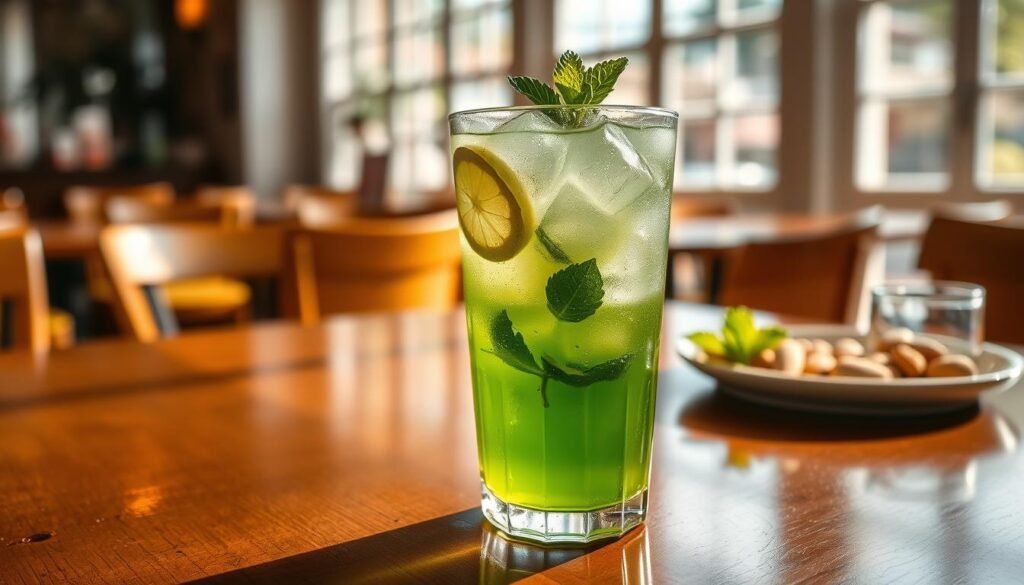
Tea selections include green tea varieties and iced green tea that are safe when served plain. Herbal options like hibiscus kiss herbal and cool mint herbal are also strong choices on a gluten free menu.
Watch for added sugar, cream, or flavored shots that change ingredient lists.
- We identified several coffee and espresso items that are gluten free, including iced lattes and breakfast tea selections.
- Frozen drinks such as frozen coffee and frozen matcha latte use milk and base ingredients without wheat.
- Tea options like green tea, hibiscus kiss herbal, and cool mint herbal are suitable, provided no gluten-containing add-ins are used.
| Category | Typical Base Ingredients | Notes |
|---|---|---|
| Coffee / Espresso | Coffee, milk, cream | Check flavored syrups for gluten |
| Frozen Drinks | Matcha or coffee base, milk | Confirm no cookie or pastry mix-ins |
| Teas / Refreshers | Tea leaves, water, sugar | Green tea and herbal infusions are low-risk |
Navigating Food Items and Ingredients
We break down specific food items so you can spot safer choices and clear risks.
Some products on the menu do not contain wheat. Hash browns and omelet bites are potato- and egg-based and are often listed without gluten ingredients.
Even when ingredients are safe, preparation happens in shared spaces. That raises cross-contact concerns for people who need strict gluten-free food.
- Hash browns: potato product, generally low risk but ask about fryers.
- Omelet bites: egg-based; check how they are cooked and handled.
- Sandwiches and muffins: made with wheat and should be avoided by those who cannot eat gluten.
| Item | Typical Ingredients | Risk Level |
|---|---|---|
| Hash browns | Potatoes, oil, salt | Low ingredient risk; medium cross-contact risk |
| Omelet bites | Eggs, cheese, vegetables | Low ingredient risk; medium cross-contact risk |
| Sandwiches / Muffins | Wheat flour, gluten-containing products | High — contain gluten |
Always request ingredient information for food and drinks like iced coffee with cream or specialty tea. When in doubt, speak with staff to reduce exposure and protect our health.
The Reality of Cross-Contamination Risks
Shared fryers and utensils can turn a potato-based side into a risky choice for people with celiac disease. Even when an item lists no wheat among its ingredients, the kitchen environment matters.

Understanding Shared Preparation Surfaces
The primary concern at any location is cross-contamination. Shared prep surfaces and oil can transfer tiny amounts of gluten from one product to another.
For those with celiac disease, a small trace of gluten can cause a serious reaction. We must treat items that do not contain gluten on paper as potentially unsafe if they touch shared tools, fryers, or slicers.
- Hash browns are potato-based but often fried in the same oil as wheat-based products, raising risk.
- Shared utensils and prep counters can transfer crumbs and residue between food items.
- Always ask staff about their procedures and whether they use separate equipment before ordering.
| Item | Typical Status | Cross-Contact Risk |
|---|---|---|
| Hash browns | No wheat in ingredients | High — often fried with other products |
| Pre-packaged beverages | Usually free of gluten | Low — made separately from baking areas |
| Toasted sandwiches | Contain wheat | Medium–High — shared toasters and surfaces |
Best Practices for Ordering Safely
A brief, clear request at the counter can lower the risk of cross-contact with gluten when we order.
When we place an order, we tell staff we need gluten free choices. We state the medical nature of our request so team members prioritize care.
Ask that your food be prepared on clean surfaces with fresh utensils. Request new gloves and separate prep space when possible.
- Confirm hash preparation: even simple items like hash browns can be fried in shared oil.
- Verify the gluten-free menu status at your local store, since practices vary by location.
- Be proactive: double-check menu items and ingredient lists before you accept the item.
| Action | Why it matters | What to ask |
|---|---|---|
| Tell staff clearly | Prevents mistakes during ordering | “We need gluten-free food; please use clean utensils.” |
| Request fresh utensils | Reduces cross-contact | “Please prepare on a clean surface with new gloves.” |
| Confirm local menu | Stores change offerings and prep routines | “Is there a current gluten-free menu or labeled items today?” |
By taking these steps we reduce the risk cross-contamination and improve our chances of enjoying safe, gluten-free food while visiting.
Communicating Dietary Needs to Staff
Telling staff about a medical need for strict gluten avoidance helps reduce mistakes during preparation. We start by saying we have celiac disease so the team understands the request is health-related.
When we place an order, we speak clearly and calmly. We ask staff to change gloves and use clean utensils before handling our food.
It helps to request that ingredients for our drink or meal come from a fresh, uncontaminated container. We also ask employees to confirm whether any items might contain gluten or wheat due to shared prep areas.
- State the medical concern so staff prioritize careful handling.
- Ask for new gloves and separate utensils when possible.
- Request fresh ingredient portions to avoid cross-contact.
- Confirm whether items can contain gluten before you accept them.
- By speaking up, we help staff be mindful of wheat and other allergens.
| Action | Why it helps | What to say |
|---|---|---|
| Tell staff about celiac disease | Signals the severity and need for care | “We have celiac disease; please take extra precautions.” |
| Request new gloves and utensils | Reduces cross-contact from shared tools | “Please use fresh gloves and clean utensils for our order.” |
| Ask about ingredient sourcing | Prevents hidden contamination from bulk items | “Can these ingredients come from a fresh container?” |
Final Thoughts on Managing Your Gluten-Free Experience
We close this guide with clear steps to help us order safely at each store. Be direct about medical needs and ask staff to use fresh utensils and gloves.
While some coffee and tea drinks, iced beverages, and select breakfast items can be lower risk, the regular menu does not include a certified gluten free menu of bakery items. Donuts are not available as a certified option.
Always check ingredients like sugar, flavored cream, or milk, and confirm prep routines to reduce the risk of cross-contamination. Use this guide as a source of practical information when you plan visits to dunkin donuts.